

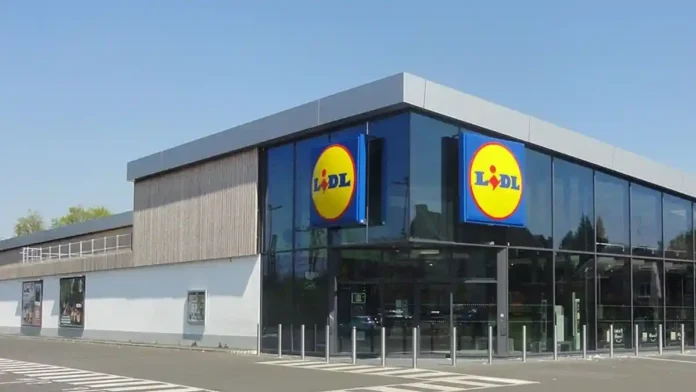
German discount supermarket Lidl has secured the top sustainability position among European food retailers, according to the latest Superlist Environment Europe study published on January 27.
The ranking places Lidl among the strongest performers across four markets, including Germany. The study also shows that while a small group of retailers is making progress, emissions across much of the sector continue to rise, highlighting growing pressure on supermarkets to move faster on climate action.
The Europe-wide comparison assessed 27 grocery chains across eight countries. Retailers were measured on their alignment with the Paris Climate Agreement and their progress in shifting sales toward more plant-based protein options.
Lidl stood out as the only German retailer to publish a detailed emissions reduction roadmap covering both short-term and long-term targets up to 2035 and 2050. The plan also breaks down expected emission cuts by food category, a level of transparency that only seven European supermarkets have achieved so far.
The study identifies protein assortment strategy as the most powerful lever supermarkets have to reduce their climate footprint. Animal-based products account for a large share of supply chain emissions, making plant-based expansion a key focus area.
Rewe overtakes Aldi Süd in sustainability ranking
The German sustainability ranking also shows movement among major competitors.
Rewe has overtaken Aldi Süd since the previous national comparison in 2025. The improvement is linked to expanded climate targets and stronger action on protein diversity. Aldi Süd has made progress and is supporting the development of industry-wide protein targets, but now trails Rewe in overall performance.
Lidl, Rewe and Aldi Süd are now ranked among the five most sustainable food retailers in Europe, alongside Dutch supermarket groups Albert Heijn and Jumbo.
Other major German chains, including Edeka, Kaufland and Aldi Nord, continue to lag behind in sustainability performance. Aldi Nord remains the only German retailer in the study without a net-zero emissions target.
Emissions still rising across the sector
Despite isolated progress, the report highlights ongoing structural problems across European grocery retail.
Only five of the 27 supermarkets assessed have managed to reduce total emissions. One in three retailers still lacks clear measures to align protein sales with climate and health goals. Inconsistent reporting standards also make it difficult to track real progress at sector level.
This gap between leaders and laggards is being described as a market failure by the study’s authors, with voluntary initiatives failing to deliver broad industry-wide change.
Supplier programmes gain importance
The ranking also points to stronger supplier engagement as a differentiating factor.
Lidl Germany has introduced premium payments to milk suppliers that adopt more sustainable farming practices. Rewe has expanded its climate protection fund for own-brand suppliers, offering financial support in exchange for measurable emissions reduction targets.
The Netherlands continues to lead Europe in coordinated sustainability efforts, supported by national-level protein targets and structured supplier programmes.
For supermarket buyers and category managers, the findings underline how climate strategy is becoming a competitive tool. Protein assortment planning, supplier standards and transparent reporting are increasingly shaping retailer positioning across European markets.