

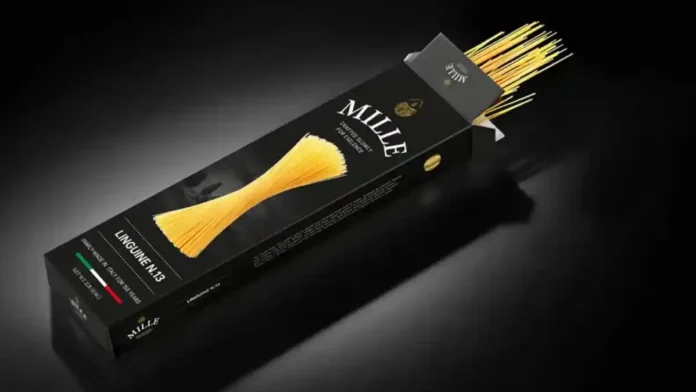
Metsä Board will open a new Packaging Design Studio in Milan in summer 2026, expanding its European packaging development footprint and strengthening collaboration with brand owners, converters and packaging developers. The move supports faster innovation cycles and sustainability-driven packaging redesign across the FMCG supply chain.
What is the Metsä Board Milan Packaging Design Studio?
The Milan Packaging Design Studio is a dedicated innovation hub designed to accelerate packaging development. It combines design services, technical expertise, AI-supported simulation tools and collaborative workshops to help customers test, optimise and implement fibre-based packaging solutions more efficiently.
The studio will support projects shaped by regulatory change, sustainability targets and performance requirements, particularly across European food and consumer goods markets.
Why Milan?
Milan is one of Europe’s leading design and manufacturing centres. Locating the studio there positions Metsä Board closer to Southern and Central European brand owners and packaging converters.
The decision strengthens the company’s ability to work side-by-side with customers during concept testing, material evaluation and structural packaging development.
How does this affect the grocery supply chain?
For supermarkets and FMCG suppliers, packaging development speed is increasingly linked to:
-
Compliance with EU packaging regulation
-
Material reduction and lightweighting
-
Recyclability improvements
-
Faster private label refresh cycles
By integrating AI-supported simulation and technical testing early in the design phase, Metsä Board aims to reduce development time from idea to implementation.
The Milan studio complements the company’s Excellence Centre in Äänekoski, Finland, focused on material research and performance testing, as well as its North American design studio in Norwalk.
At a glance
-
Studio opening: Summer 2026
-
Location: Milan, Italy
-
Focus: Packaging design, sustainability, AI-supported simulation
-
Customers: European brand owners, converters, packaging developers
-
Parent group: Metsä Group
-
2025 sales: EUR 1.8 billion
-
Employees: Around 1,900
Industry context
European packaging suppliers are investing in regional design and innovation hubs as sustainability regulation tightens. The EU Packaging and Packaging Waste Regulation (PPWR) is reshaping material selection, recyclability requirements and documentation standards.
For fibre-based board producers, closer collaboration with converters and retailers is becoming essential. Packaging decisions now influence logistics efficiency, carbon footprint reporting and retail shelf optimisation.
Metsä Board produces folding boxboards, foodservice boards and white kraftliners using fresh wood fibres sourced from Northern Europe. The company has stated it aims to phase out fossil energy use in production by 2030.
What happens next?
The Milan Packaging Design Studio is scheduled to begin operations in summer 2026. Customers and partners will be invited to use the facility for workshops, co-creation sessions and packaging trials.
As sustainability requirements accelerate across European retail, supplier-led innovation hubs are expected to play a larger role in shaping next-generation grocery packaging.