

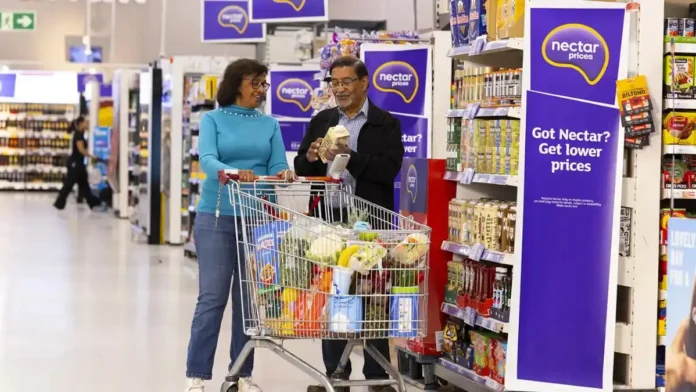
J Sainsbury plc has reported full-year results for the 52 weeks to 28 February 2026, with steady grocery growth but continued pressure on margins as the retailer prioritises value and price competitiveness.
Total retail sales excluding fuel rose to £29.9 billion, up 4.3% year on year. Grocery sales increased 5.2%, supported by higher volumes and ongoing gains in market share.
Despite this growth, retail underlying operating profit edged down to £1.025 billion. The decline reflects rising operating costs and sustained investment in pricing to remain competitive in the UK grocery market. Profit after tax improved to £393 million, largely due to lower exceptional costs compared with the previous year.
Fresh food remained central to performance, with sales in the category up 8%. The retailer also saw continued momentum in premium own label, with its “Taste the Difference” range exceeding £2 billion in annual sales.
Digital and online channels showed strong momentum. Online grocery sales climbed 13%, while rapid delivery services expanded sharply, with on-demand sales rising to more than £700 million. The business continues to invest in digital tools, including app integration and personalised pricing.
Store development remained active. During the year, the company opened 10 supermarkets and 33 convenience stores. Further expansion is planned, with new openings expected across both formats in the next financial year.
Cost pressure remains a key challenge. Higher wages, supply chain costs, and regulatory changes are impacting the operating environment. The retailer has chosen to absorb part of these costs rather than pass them fully to customers, reinforcing its focus on value.
Alongside this, Sainsbury’s is strengthening its supply base, including a long-term commitment to invest more than £5 billion in British and Irish farming to improve resilience across its food supply chain.
Why It Matters
The latest results underline a clear trend across UK supermarkets. Volume growth is holding up, driven by strong demand for value and private label. However, margin pressure remains persistent as retailers continue to invest in price to defend market share.
This balance between growth and profitability is likely to shape supermarket strategies through 2026, particularly as cost inflation and competition remain high.


