

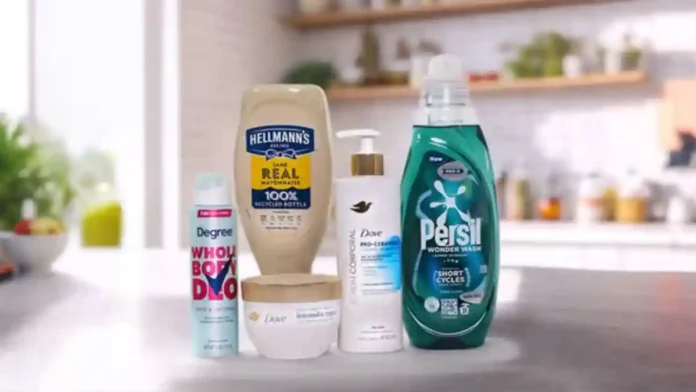
On 12 February 2026, Unilever published its full-year 2025 results, reporting €50.5 billion in turnover and underlying sales growth of 3.5%. Operating margin improved to 20.0% as the company delivered cost savings and focused on higher-growth categories. For 2026, Unilever expects underlying sales growth of 4–6%, at the lower end due to slower markets.
Key Facts From 2025
-
Turnover: €50.5 billion
-
Underlying sales growth: 3.5%
-
Volume growth: 1.5%
-
Operating margin: 20.0%
-
Gross margin: 46.9%
-
Free cash flow: €5.9 billion
-
€1.5 billion share buyback planned
Turnover declined 3.8% compared with the previous year, mainly due to currency movements and disposals.
What Is Underlying Sales Growth?
Underlying sales growth shows how much a company’s core business grows, excluding currency changes and acquisitions or disposals.
For Unilever, 3.5% growth in 2025 means sales increased steadily despite weaker market conditions in parts of Europe and North America.
Where Did Growth Come From?
Beauty & Wellbeing and Personal Care led performance with mid-single digit growth. Home Care improved during the year, and Foods grew 2.5%, supported by emerging markets.
Power Brands, which account for 78% of total turnover, grew 4.3%.
Developed markets grew 3.6% overall but slowed in the fourth quarter. Emerging markets grew 3.5% for the year and accelerated to 5.8% in the final quarter.
India delivered 4% growth in 2025.
Portfolio Changes In 2025
Unilever completed or announced ten transactions during the year. It acquired Wild, Dr. Squatch and Minimalist. It sold Conimex, The Vegetarian Butcher, Kate Somerville and Graze.
The company also announced further divestments in early 2026.
The strategy increases focus on Beauty, Wellbeing and premium Personal Care.
Profitability And Savings
Underlying operating profit reached €10.1 billion. Gross margin increased to 46.9%.
Unilever delivered €670 million in savings from its productivity programme, ahead of plan. The remaining €130 million is expected in 2026.
Brand and marketing investment rose to 16.1% of turnover.
What Happens Next?
For 2026, Unilever expects underlying sales growth of 4–6%, with at least 2% volume growth. Growth is expected at the lower end of that range.
The company plans to begin a €1.5 billion share buyback in the second quarter of 2026.
Unilever enters 2026 with stronger margins and a more focused portfolio, aiming to grow through premium brands and emerging markets.