

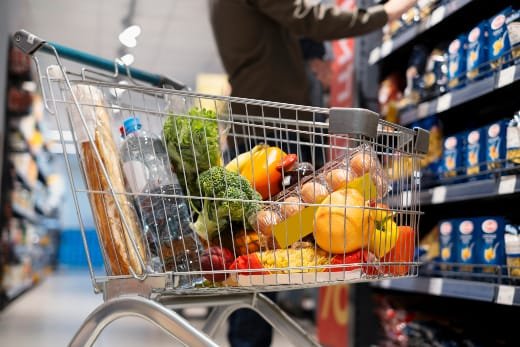
UK grocery price inflation increased to 2.5% in the four weeks to 4 October 2026, up from 2.3% in the previous reporting period, according to Worldpanel by Numerator figures published on Tuesday.
The rise comes as consumers continue to manage household budgets against higher energy and motoring costs. For supermarket operators and food suppliers, the figures suggest that price sensitivity remains central to decisions about promotions, assortment and product positioning.
Worldpanel said spending on promotional offers was more than £250 million higher than in the comparable period last year. Discounts and special offers are helping consumers manage bills and buy larger or higher-priced products, even while shelf prices continue to rise.
Prices rose most quickly in categories including water and squash, skincare and skin cleansing. Butter and spreads, chocolate and cheese were among the categories recording the largest price declines. The figures underline why individual suppliers can face very different conditions from the grocery market overall.
Inflation is a measure of the change in prices, not an indication that every item in supermarkets costs more than last month. The 2.5% figure means the tracked grocery basket was, on average, 2.5% more expensive than a year earlier.
The latest reading also needs to be distinguished from the wider UK consumer price inflation measure, which covers other household spending categories. Official September inflation statistics are due later in October.
Promotional activity remains an important battleground for the UK’s major grocery chains. Retailers face the challenge of communicating value without undermining margins, while branded suppliers must decide where targeted offers can win volume against competing products and own-label ranges.
With the final quarter under way, attention will turn to whether supermarkets increase price and promotional competition around Halloween and Christmas. The next Worldpanel update will show whether the latest increase in grocery inflation persists as seasonal demand builds.
Editor’s note: Figures are attributed to Worldpanel by Numerator’s 13 October 2026 market update, as reported by Reuters and UK news outlets. Grocery inflation here is a market-research measure, not the official UK consumer prices index.


