

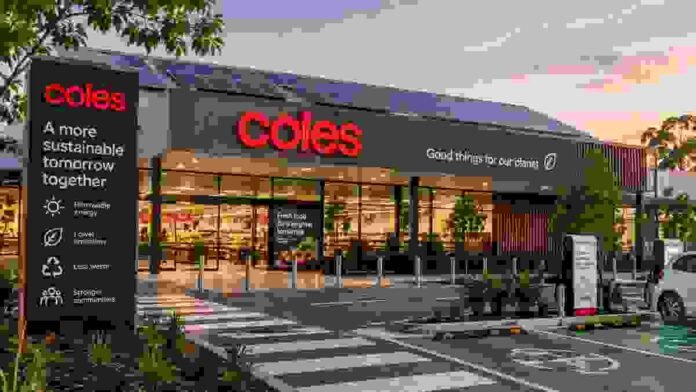
Coles has opened a new supermarket in Melbourne featuring a range of lower-emission technologies as major grocery retailers continue testing ways to reduce the energy intensity of store operations.
The store uses renewable energy alongside equipment and building systems designed to lower operational emissions. The development adds to a wider programme of sustainability investment across Australian grocery retail, where energy use, refrigeration and store design remain significant areas of focus.
Supermarkets are particularly energy-intensive commercial buildings because refrigeration, lighting, heating and cooling operate for long trading hours. That means improvements to store energy systems can deliver recurring reductions rather than one-off savings.
For retailers, the commercial case increasingly overlaps with the environmental one. Electricity costs can materially affect store operating expenses, while newer refrigeration and energy-management technologies can help chains reduce consumption across large estates.
The Melbourne opening also provides a live retail environment in which Coles can assess how lower-carbon systems perform under normal supermarket trading conditions. Successful technologies can then inform future store developments and refurbishment programmes.
Australian supermarket groups including Woolworths and Aldi have also invested in renewable energy and lower-emission store operations, making sustainability an increasingly important area of operational competition rather than simply a corporate reporting issue.
For suppliers of refrigeration, energy management, lighting and store infrastructure, supermarket decarbonisation represents a growing commercial market as retailers work towards longer-term emissions targets.
The performance of the new store will therefore be watched not only for its environmental impact but for evidence that lower-carbon supermarket design can deliver reliable operational and cost benefits at scale.


